Africa’s maritime industry is undergoing a remarkable transformation. With trade volumes across West African ports rising year on year, and international shipping lanes becoming increasingly busy along coastlines stretching from Senegal to Togo and beyond. The demand for reliable, certified Life-Saving Appliance (LSA) services has never been greater. Yet, for too long, this critical aspect of maritime safety has been underserved across the continent.
Master Systems is changing that by delivering world-class LSA services across Togo, Senegal, and throughout West Africa. We are ensuring that every vessel operating in these waters meets international safety standards and that every crew member has the best possible chance of survival in an emergency.
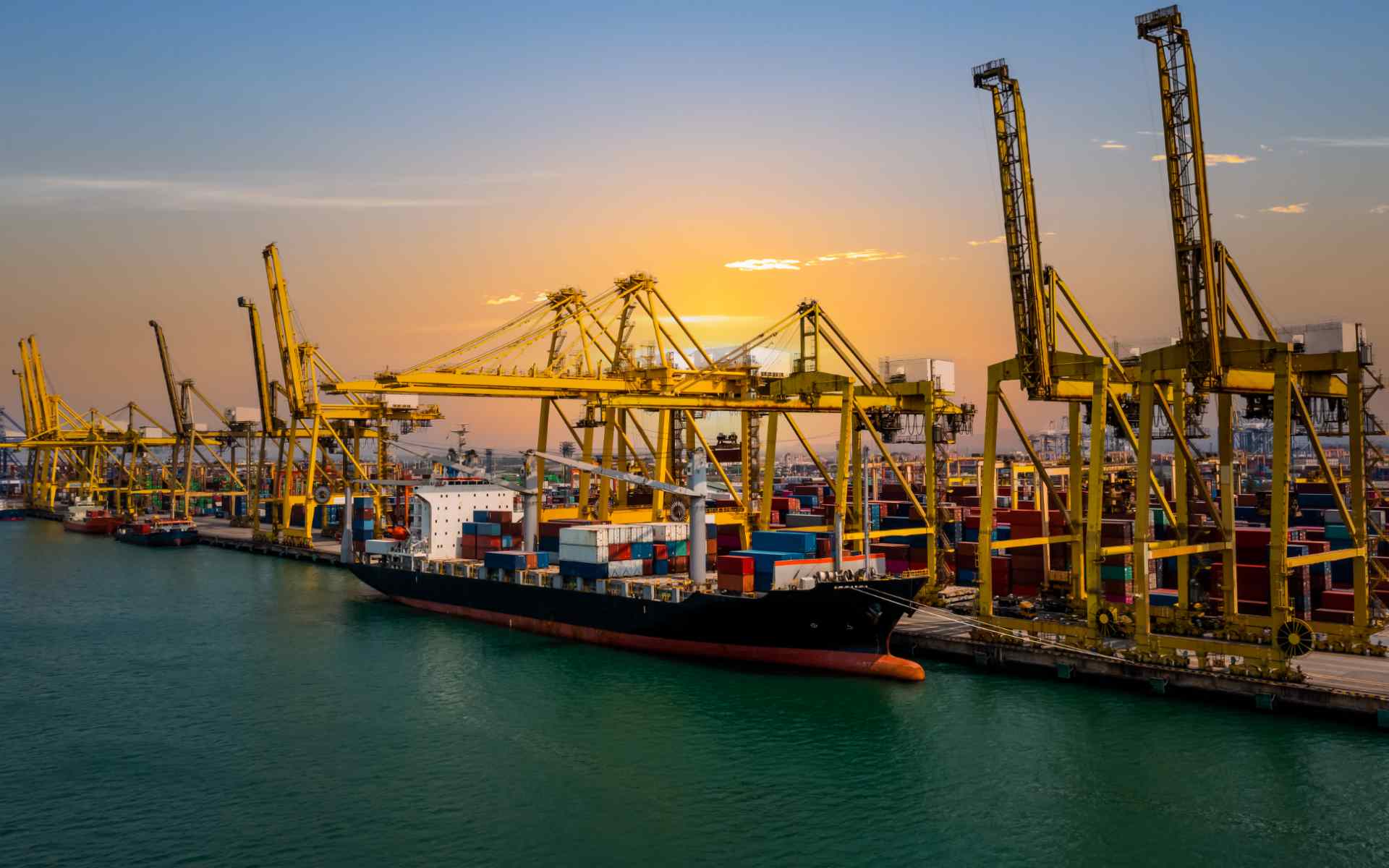
Africa is no longer just a destination for global shipping; it is increasingly a hub. The continent’s coastline spans over 30,000 kilometres, with dozens of strategically important ports facilitating billions of dollars in trade annually. Ports such as Lomé in Togo and Dakar in Senegal have emerged as significant transshipment hubs for the region, handling everything from petroleum products and minerals to consumer goods and agricultural exports.
According to maritime analysts, West Africa alone accounts for a significant and growing share of global oil and gas exports. The fishing industry, the offshore energy sector, and coastal passenger transport further increase the number of vessels operating in these waters daily. This explosive growth brings with it a critical responsibility: ensuring that every vessel is equipped with properly serviced, compliant, and fully operational life-saving appliances.
Life-Saving Appliances (LSAs) encompass the full range of equipment designed to protect crew and passengers in maritime emergencies.
This includes
Under the International Maritime Organization’s SOLAS Convention, vessels are legally required to carry specific life-saving appliances (LSA) equipment. Additionally, they must ensure that all such equipment is properly maintained, regularly inspected, and certified by approved service stations. Non-compliance not only increases the risk of a Port State Control (PSC) detention but also endangers lives.
LSA servicing is not a “nice to have.” It is a legal obligation and a moral imperative. An unserviced life raft that fails to deploy in an emergency, an immersion suit with a faulty zipper, or an EPIRB with a dead battery can mean the difference between a rescue and a tragedy.
Historically, shipowners operating vessels in West African waters have faced a significant challenge in accessing high-quality, SOLAS-compliant LSA services locally. Many operators have been forced to rely on service providers in Europe or South Africa, leading to costly delays, logistical complexity, and, in some cases, vessels sailing without out-of-date LSA certifications.
Master Systems has directly addressed this gap by establishing a certified LSA service presence in West Africa, including operations in Togo and Senegal, two of the region’s most strategically important maritime nations. By combining the technical standards of European maritime safety practice with an on-the-ground presence in West Africa, we offer shipowners the best of both worlds: international compliance without the logistical burden of sending equipment overseas.
We provide a comprehensive suite of LSA services designed to cover every aspect of maritime safety compliance:
Whether your vessel is calling at the Port of Lomé, anchored off Dakar, or transiting West African waters, we have the technical capability and regional presence to support your LSA compliance needs swiftly and efficiently.
Servicing LSA equipment in tropical and equatorial climates presents challenges that are distinct from those faced in European or North American waters. High ambient temperatures, intense UV radiation, salt air, and humidity all accelerate the degradation of rubber seals, fabric lifejackets, inflatable chambers, and electronic components.
Our technicians are specifically trained to account for these environmental factors. Inspection protocols are adapted to identify wear patterns typical of tropical exposure. Service intervals may be recommended more frequently than the baseline SOLAS minimum when environmental conditions warrant. This climate-aware approach to LSA servicing ensures that equipment performs reliably when needed most — regardless of the operating environment.
Choosing an LSA service provider is not simply a matter of cost; it is a matter of trust. When a crew member reaches for a lifejacket or boards a lifeboat in an emergency, there is no room for uncertainty. The equipment must work. We combine international certification with regional expertise and a steadfast commitment to quality, providing shipowners with the confidence they need.
With a growing service network across West Africa, including Togo and Senegal. We are uniquely positioned to serve the international maritime community operating in these increasingly important waters. The company’s investment in Africa is an investment in the safety of the people who sail these seas every day.
Africa’s maritime sector will only continue to grow. As more vessels operate in West African waters, as port infrastructure improves, and as the continent’s share of global trade expands, the importance of a robust, reliable, and accessible LSA service infrastructure will only grow.
Master Systems is proud to be at the forefront of building that infrastructure — one inspection, one service, one certified life raft at a time. Because at sea, safety is not just a regulation. It is everything.