Liberia GMDSS Compliance Update: INMARSAT-C Firmware, Approved Equipment & What Shipowners Must Do

INMARSAT-C NEW UPDATE FOR GMDSS
WaveIcon

The Liberian registry has entered a new critical phase in enforcing GMDSS compliance to ensure the safety and security of vessels. In particular, the older INMARSAT C equipment used for GMDSS, LRIT, and SSAS has known technical defects that may or may not be correctable. This may affect a smooth and reliable voyage. 

While many vessels remain operationally sound, some are unknowingly non-compliant due to outdated firmware or equipment approvals that have become invalid. This shift highlights a clear message from the flag administration: compliance is no longer just about installation; it is about verified performance and certification. The equipment, other than INMARSAT-C, can only be used in LRIT, and SSAS are excluded from this list, as they are approved through the conformance testing, report, and certificate process.

Approved vs Restricted GMDSS Equipment: What Liberia Allows

The Liberian Registry has issued a defined list of approved GMDSS equipment. To address recurring defects and limitations in older INMARSAT-C terminals. 

Equipment Approved for Installation and Use:-

This equipment is fully compliant. Represents current, future-ready systems.

These models can be installed and operated without limitation:

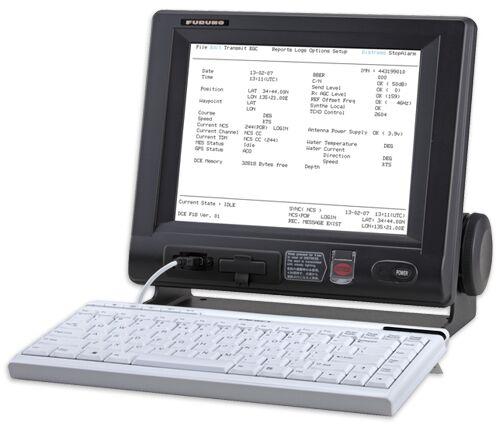
  • Furuno FELCOM 18 / FELCOM 19 
  • JRC JUE-87, JUE-95 series
  • Cobham SAILOR 6110–6150
  • Iridium Lars Thrane LT-3100S

Equipment Approved for Use (Restrictions Apply)

These units may continue to be used until their failure, and later run the latest firmware.

  • Furuno FELCOM 15 / MINI-C-FELCOM 16
  • JRC JUE-75A / JUE-75C / JUE-85

 Once these systems fail, installing new fully approved equipment becomes mandatory. 

Risks of Using Older or Non-Compliant INMARSAT-C Equipment

An operating system outside the registry may expose vessels to serious operational and regulatory risks.

  • Inspection deficiencies
  • Delayed departures
  • Non-compliance notices from the flag
  • Potential detention
  • Loss of emergency communication reliability

In safety-critical systems, even a small technical defect can compromise crew safety and regulatory standing.

Why Certified Service Attendance Is Now Essential

A key change is that visual confirmation is no longer sufficient.
The registry now expects:

  • Firmware verification through diagnostic procedures
  • Certified service attendance
  • Submission of official service reports confirming compliance

This ensures:

  • Accuracy of reported software versions
  • Traceability of maintenance actions
  • Confidence for flag and port authorities

How Master Systems Supports End-to-End Liberia Compliance 

As a comprehensive maritime solutions provider with years of experience, Master Systems supports ship owners through:

  • Onboard inspection of INMARSAT-C systems
  • Firmware verification and upgrades
  • Compliance assessment against Liberian approval lists
  • Certified service reporting for flag submission
  • Guidance on upgrade or replacement planning

We ensure that your vessel is compliant, ready for inspection, and that operations are carried out without disruption.

Conclusion

The Liberian ship registry has renewed its maritime regulation for safety and security. Firmware accuracy, approved equipment, and certified service report define the inspection outcome. 

Shipowners who are registered under the Liberian flag require reliable service and timely software updates. Moreover, it’s time to review the status of GMDSS equipment. Contact the Master System for your detailed service and enquiries.