Best Gas Detectors in Africa – Types, Benefits, & Industries
Africa’s industrial landscape is expanding rapidly, driven by oil & gas exploration, mining, power generation, ports, infrastructure, and large-scale manufacturing. According to international safety and HSE reports, more than 50% of major industrial accidents globally are linked to gas leaks, toxic exposure, or oxygen-deficient environments, with higher risk in regions operating in extreme climates and remote locations – conditions common across many African countries.
From energy hubs in Nigeria and Angola to ports and logistics centers in Djibouti and Dakar, and from mining and manufacturing zones in Ghana, Namibia, and Congo to infrastructure projects in Togo, Guinea, and Cameroon, hazardous gases such as methane, hydrogen sulfide (H₂S), carbon monoxide, and ammonia are part of daily industrial operations. This makes selecting the Best Gas Detectors in Africa a critical step toward protecting lives, assets, and business continuity.
In this blog, we explore why gas detectors are essential across Africa, the types available, key benefits, the industries that rely on them, leading global manufacturers, and how to choose the right gas detection partner.
The Crucial Role of Gas Detectors in Africa Industrial Safety
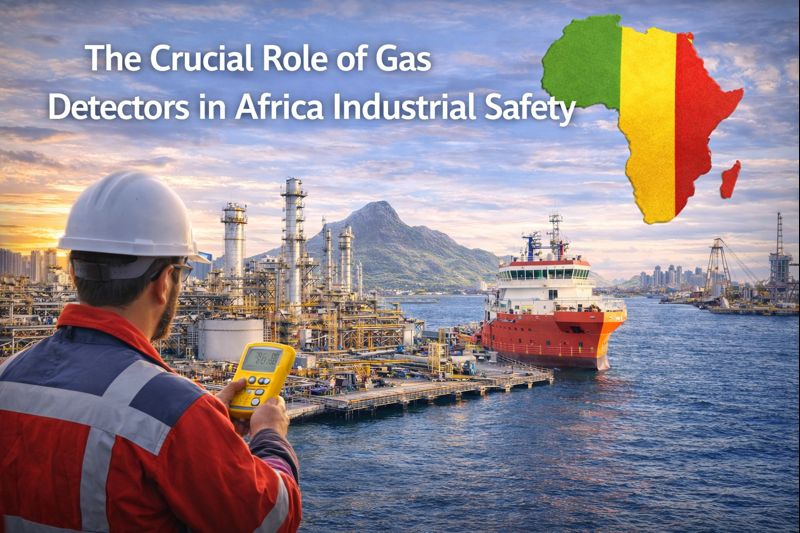
Industrial operations across Africa often face challenging conditions – high temperatures, dust, humidity, confined spaces, and remote sites. In such environments, undetected gas leaks can quickly escalate into fires, explosions, or long-term health hazards. Governments, international operators, and project owners increasingly enforce HSE standards that require certified gas detection systems in hazardous areas.
Gas detectors provide early warning and continuous monitoring, allowing teams to respond before gas concentrations reach dangerous levels. This not only reduces accident risks but also helps organizations comply with international safety frameworks required by global investors and operators. As a result, companies increasingly rely on experienced gas detector companies in Africa that understand both local conditions and global compliance expectations.
The Types of Gas Detectors Used Across Africa
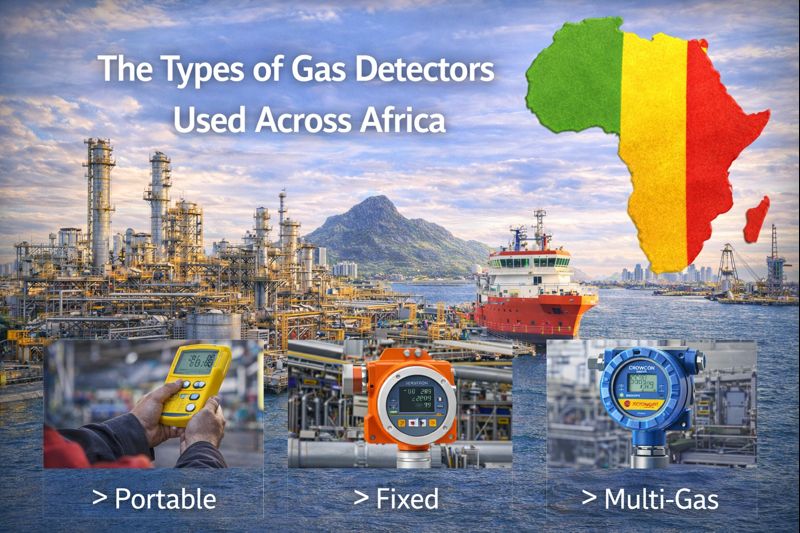
Choosing the right gas detector starts wTop 7 Industries That Rely on Gas Detectors in Africaith understanding the three main system types commonly used across African industries.
1) Portable Gas Detectors
Portable gas detectors are handheld or wearable devices used by field teams, maintenance crews, and safety officers. They are ideal for confined space entry, inspections, mining operations, and offshore or remote sites. These devices provide real-time alerts and are easy to deploy across different locations. Many organizations prefer working with established portable gas detectors suppliers in Africa to ensure rugged, accurate devices that perform reliably in harsh environments.
2) Fixed Gas Detectors
Fixed gas detectors are permanently installed systems designed for continuous monitoring. They are commonly used in refineries, processing plants, power stations, storage terminals, and industrial buildings. These systems are often integrated with alarms, ventilation, or shutdown systems. Facilities that require long-term, uninterrupted monitoring typically partner with experienced fixed gas detectors suppliers in Africa for system design, installation, and lifecycle support.
3) Multi Gas Detectors
Multi gas detectors can detect multiple gases simultaneously using a single unit. They are especially useful in complex environments where more than one hazardous gas may be present – such as oil & gas facilities, mining sites, and confined industrial spaces. Companies often choose solutions from trusted multi gas detectors suppliers in Africa to simplify monitoring while maintaining high safety standards.
5 Benefits of Using Gas Detectors in Africa Region
1) Early Detection & Risk Prevention – Gas detectors identify leaks before they become critical, helping prevent fires, explosions, and toxic exposure – especially important in remote or high-risk sites.
2) Compliance with International Safety Standards – Certified gas detection systems support compliance with global HSE requirements demanded by international operators, insurers, and regulatory bodies.
3) Improved Worker Safety – Continuous monitoring protects workers from harmful gases such as H₂S and carbon monoxide, reducing health risks and improving workplace confidence.
4) Operational Continuity – By preventing incidents, gas detectors minimize unplanned shutdowns, equipment damage, and production losses.
5) Long-Term Cost Efficiency – Although gas detection requires upfront investment, it significantly reduces long-term costs related to accidents, legal liabilities, and asset damage.
Top 7 Industries That Rely on Gas Detectors in Africa
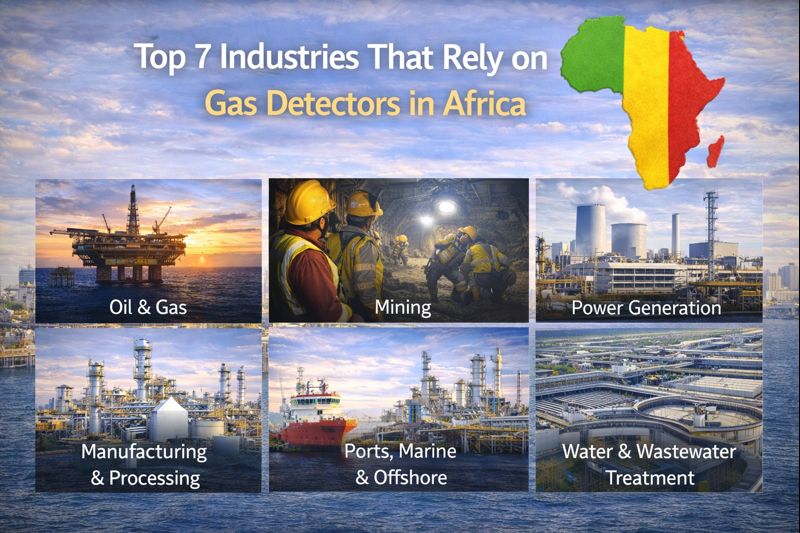
1) Oil & Gas – Countries such as Nigeria, Angola, and Congo depend heavily on oil & gas operations, where gas detection is critical for monitoring flammable and toxic gases.
2) Mining – Mining operations in Ghana, Namibia, and Guinea rely on gas detectors to monitor oxygen levels and hazardous gases in underground environments.
3) Power Generation – Gas-fired and thermal power plants across Africa use fixed gas detection systems to monitor turbines, fuel systems, and boiler areas.
4) Manufacturing & Processing – Industrial zones in Cameroon, Togo, and Abidjan use gas detectors to manage risks from ammonia, carbon monoxide, and combustible gases.
5) Ports, Marine & Offshore – Ports and logistics hubs in Djibouti and Dakar rely on gas detectors to protect crews working in confined spaces and fuel-handling areas.
6) Construction & Infrastructure – Large infrastructure projects across Africa use portable gas detectors in tunnels, basements, and confined construction zones.
7) Water & Wastewater Treatment – Treatment facilities monitor hydrogen sulfide and methane generated during processing to prevent toxic exposure and explosions.
Top Gas Detector Manufacturer Brands in the Africa Region
The performance and reliability of a gas detection system depend heavily on the manufacturer’s technology and certifications. Across Africa, industries commonly rely on globally recognized brands:
Honeywell – Known for advanced sensor technology, durability, and global certifications. Many operators work with honeywell gas detectors suppliers in Africa for mission-critical applications.
Sensitron – Specializes in fixed gas detection systems designed for continuous monitoring, making Sensitron gas detectors suppliers in Africa a preferred choice for permanent installations.
Crowcon – Renowned for robust portable and fixed solutions used in harsh environments, with crowcon gas detectors suppliers in Africa supporting a wide range of industrial sectors.
Choosing proven brands ensures accuracy, long service life, and compliance with international standards.
Best Gas Detector Supplier in Africa – Choose Master Systems Today
When selecting the Best Gas Detectors in Africa, choosing the right supplier is just as important as selecting the right product. Master Systems is a trusted safety partner with over 25+ years of industry experience and 3,500+ clients served across the Middle East and Africa.
Master Systems supplies certified portable, fixed, and multi gas detection solutions from globally recognized manufacturers, tailored to African operating conditions—from oil & gas fields in Nigeria to ports in Djibouti and industrial zones in Ghana and Angola. Beyond product supply, Master Systems provides site assessments, system design, installation, commissioning, calibration, AMC contracts, and certified documentation support—ensuring long-term compliance and operational reliability.
Get Expert Assistance Today
Choosing the right gas detection system can significantly reduce risk, protect workers, and ensure regulatory compliance across Africa’s diverse industrial environments. Whether you need portable detectors for remote sites or fixed systems for continuous monitoring, expert guidance makes all the difference.
Contact Master Systems today to receive expert recommendations, competitive pricing, and certified gas detection solutions designed for Africa’s most demanding industrial conditions.