
Radio Survey in Panama: What It Covers and How to Prepare

alt="MASTER-SYSTEM"
WaveIcon

A ship’s radio equipment keeps the crew in contact with shore stations and nearby vessels. In an emergency, it also sends distress alerts. To confirm that this equipment works as it should, vessels need a regular radio survey. If your ship sails under the Panama flag or calls at a Panamanian port, a radio survey in Panama helps you stay compliant and ready for inspection. Master Systems supports vessel owners and operators with radio survey coordination and marine communication support.

What Is a Radio Survey?

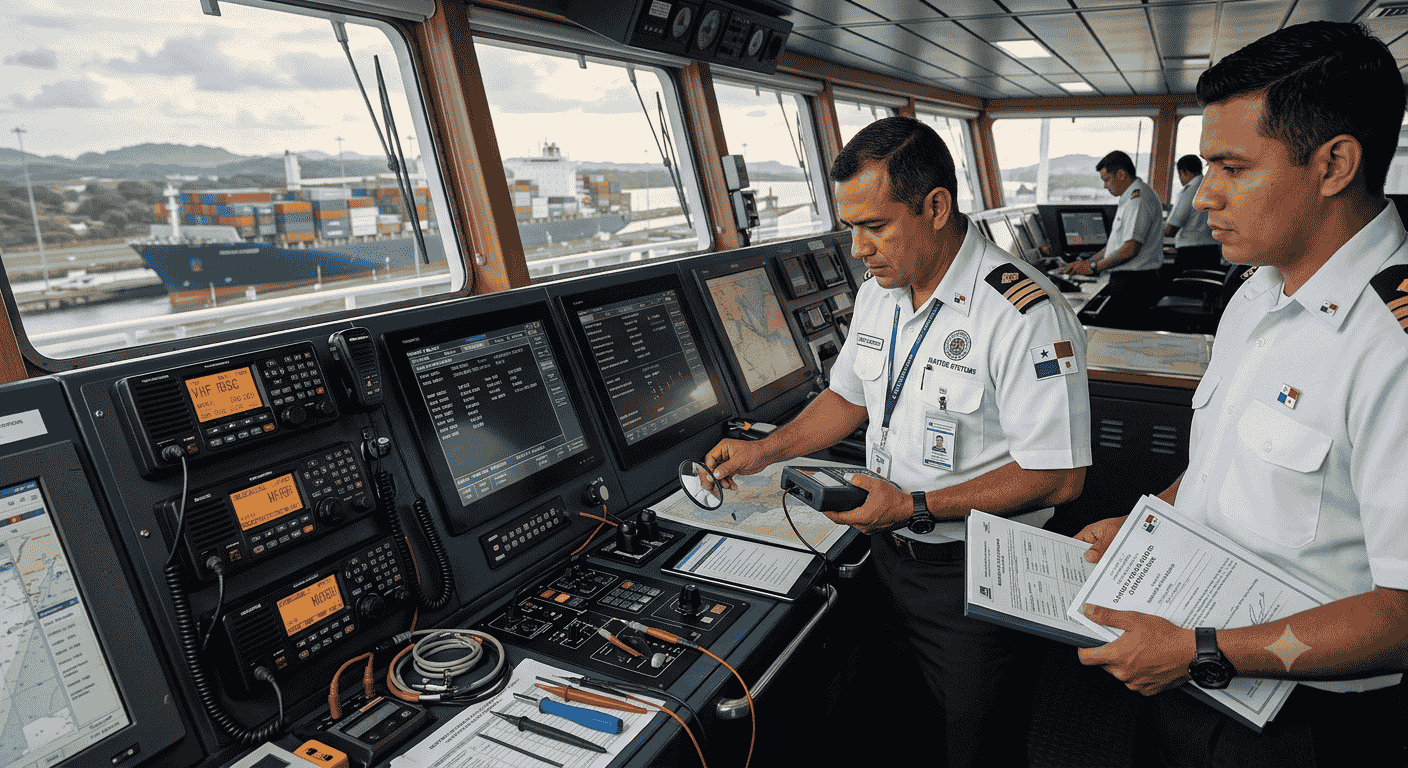
A radio survey is a formal check of a ship’s radio and communication equipment. A qualified radio surveyor or technician inspects the installation, tests each unit and records the results. The survey confirms that the equipment meets international safety rules and the requirements of the vessel’s flag state.

Most commercial ships carry equipment under the Global Maritime Distress and Safety System, known as GMDSS. The radio survey checks that this system works as a whole.

Why a Radio Survey in Panama Matters

Panama has one of the largest ship registries in the world, and the Panama Canal draws a steady flow of vessels. Because of this, many ships need radio surveys while they are in the region.

A valid radio survey supports the vessel’s Safety Radio Certificate. If the certificate is missing or out of date, port state control officers may raise a deficiency. In some cases, this can delay the ship. Planning your radio survey in Panama ahead of time helps you avoid these problems.

What Does a Radio Survey Include?

The exact scope depends on the vessel type, trading area and flag requirements. Still, most surveys cover these items:

  • VHF radio: Voice and digital selective calling tests
  • MF/HF radio: Range, power and calling function checks
  • Satellite communication: Inmarsat or other approved terminal tests
  • EPIRB: Emergency position indicating radio beacon checks, including battery and registration details
  • SART or AIS-SART: Radar transponder tests and battery expiry dates
  • NAVTEX receiver: Reception and printing or display tests
  • Portable VHF radios: Operation checks for lifeboat and survival craft radios
  • Antennas and cabling: Condition and connection checks
  • Power supplies: Main and emergency power source tests, including batteries

How Often Is a Radio Survey Required?

Radio surveys follow the vessel’s survey cycle. Many ships have an annual radio survey, plus a renewal survey roughly every five years. In addition, the ship may need a survey after major repairs or changes to the radio installation.

Rules vary by flag and vessel type. Therefore, confirm the exact requirement with the Panama Maritime Authority or your classification society before you plan the work.

Common Findings During a Radio Survey

Most findings are simple to fix. These are the issues that appear most often:

  • Expired EPIRB batteries or hydrostatic release units
  • Weak or failed backup batteries
  • Incorrect or outdated MMSI and call sign data in the equipment
  • Faulty or damaged antennas
  • Missing documents, logs or test records
  • Portable radios that do not charge or transmit properly

Checking these items before the surveyor arrives saves time and avoids repeat visits.

How to Prepare for Your Survey

A little preparation makes the process smoother. Follow these steps:

  • Gather the previous radio survey report and certificates
  • Confirm that the MMSI, call sign and EPIRB registration details are current
  • Test all equipment and note any known defects
  • Check battery dates and replace any that are close to expiry
  • Keep the radio log and test records ready for review

Who Needs a Radio Survey in Panama?

Any vessel that carries GMDSS or similar radio equipment may need a survey. This includes:

  • Cargo ships and bulk carriers
  • Tankers and gas carriers
  • Offshore support vessels
  • Passenger vessels
  • Vessels registered under the Panama flag, wherever they trade

How Master Systems Works With You

Master Systems keeps the process clear and easy to follow. First, you share your vessel details, current radio equipment list and survey due date. Next, we confirm the port, the timing and the scope of work. Then the survey is arranged and the records are provided. As a result, you get clear documents and fewer surprises during audits.

Frequently Asked Questions

What is a radio survey in Panama?
It is an inspection and test of a ship’s radio and communication equipment. It confirms that the system meets safety rules and flag state requirements.

How often does a ship need a radio survey?
Most ships need an annual check and a renewal survey about every five years. Confirm the exact interval with your flag state or class society.

Does a Panama-flagged ship need a radio survey?
Yes, if it carries equipment covered by the safety radio rules. The vessel follows international requirements and any guidance from the Panama Maritime Authority.

Can the survey happen while the ship is in port?
In most cases, yes. The work is planned around the port stay, so early booking helps avoid delays.

What should I share when I request a survey?
Please share the vessel name, IMO number, radio equipment list, last survey date and port of call.

What equipment is tested?
The team tests VHF, MF/HF and satellite units, plus the EPIRB, SART, NAVTEX and portable radios.

Request Your Radio Survey Today

Do not wait for an inspection to find a radio fault. Contact Master Systems to discuss your needs and plan your radio survey in Panama around your vessel’s schedule.