LSA FFA Service Provider in Netherlands

alt="MASTER-SYSTEM"
WaveIcon

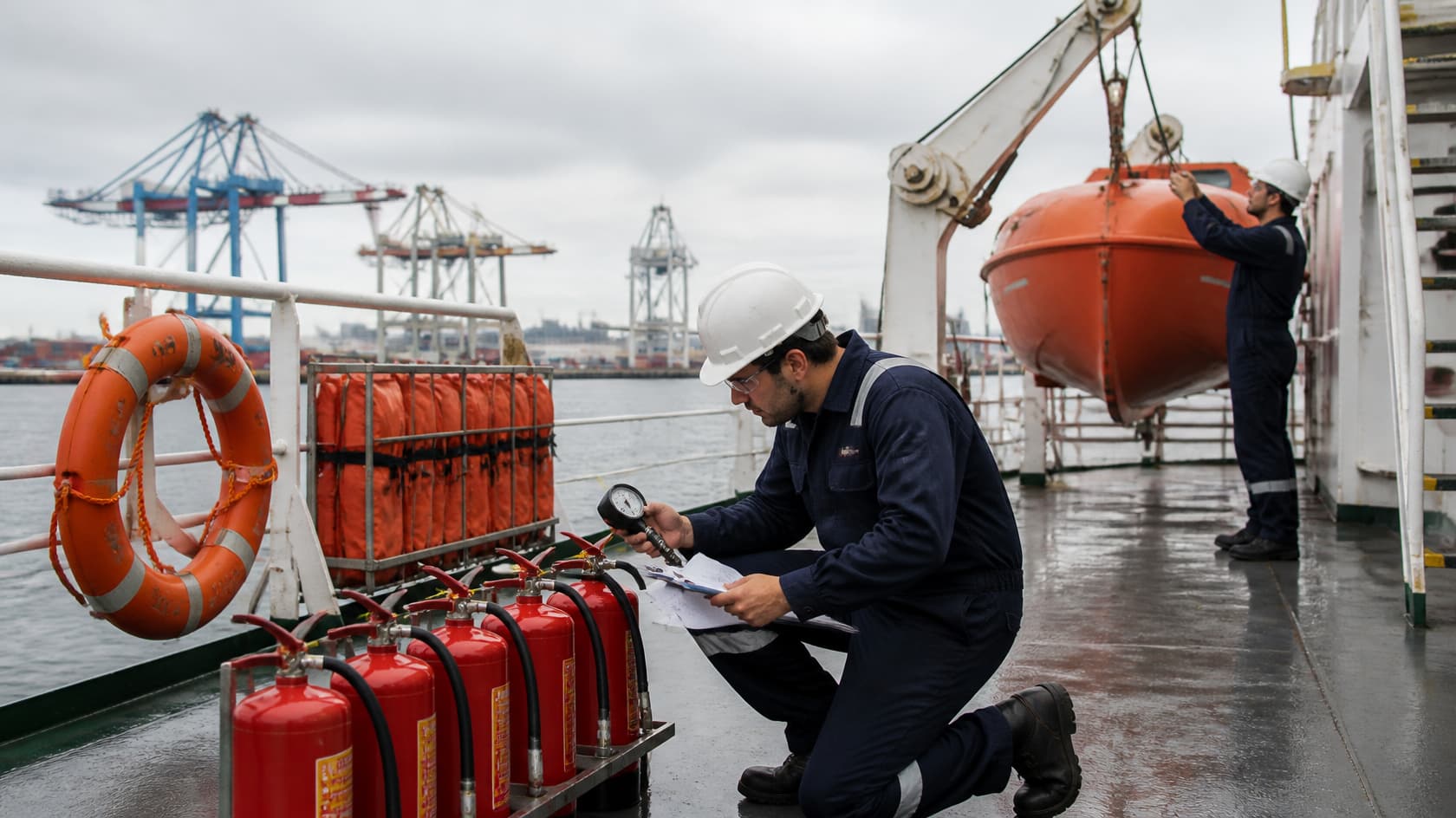
Every commercial vessel carries life-saving appliances (LSA) and fire-fighting appliances (FFA). This equipment has to be inspected, serviced and certified on a fixed schedule to meet international rules. Master Systems is an LSA FFA service provider in Netherlands that helps ship owners, managers and operators keep their safety equipment in working order and their records up to date.

Below, you’ll find what LSA and FFA services include, which rules apply and how to work with us.

What Do LSA and FFA Mean?

LSA (Life-Saving Appliances) is the equipment that helps people survive and leave a vessel safely in an emergency.

FFA (Fire-Fighting Appliances) is the equipment used to detect, control and put out fires on board.

Put simply, LSA protects people during an evacuation, while FFA helps stop a fire before it spreads.

LSA Services We Provide

Our LSA services cover the main life-saving equipment found on board, including:

  • Annual and five-yearly examination of lifeboats and rescue boats
  • Inspection and testing of davits, winches and launching appliances
  • Release gear checks and overhaul
  • Life raft and hydrostatic release unit (HRU) servicing, arranged through approved service stations
  • Inspection of lifejackets, immersion suits and lifebuoys
  • Checks on pyrotechnics and line-throwing appliances

FFA Services We Provide

In addition, we service the fire-fighting equipment that vessels rely on every day:

  • Inspection, refilling and periodic pressure testing of portable and wheeled fire extinguishers
  • Inspection of fixed CO₂, foam, water-mist and dry powder systems
  • Weighing and level checks of CO₂ cylinders
  • Servicing of breathing apparatus (SCBA) and emergency escape breathing devices (EEBD)
  • Fire detection and alarm system testing
  • Inspection of fire hoses, nozzles and fire-fighter’s outfits

Rules and Standards

An LSA and FFA service provider must work within international and national rules. The main ones are:

  • SOLAS Chapter II-2 for fire protection, detection and extinction
  • SOLAS Chapter III for life-saving appliances
  • The LSA Code and the FSS Code for technical standards
  • IMO Resolution MSC.402(96) for lifeboats, rescue boats, launching appliances and release gear
  • MSC.1/Circ.1432 for maintenance and inspection of fire protection systems
  • Flag state, class society and manufacturer requirements

Furthermore, Port State Control officers in the Netherlands work under the Paris MoU and often check LSA and FFA equipment and certificates during inspections.

Why Regular LSA and FFA Servicing Matters

First, it keeps people safe. Equipment that isn’t used often can fail without warning, and routine checks catch problems early.

Second, it keeps the vessel compliant. Expired certificates or faulty equipment can lead to deficiencies, detentions or delays in port.

Third, it helps control costs. Planned servicing during normal port calls costs less than urgent repairs or unplanned downtime.

How We Work

Working with an LSA FFA service provider in Netherlands should be simple. Our process usually looks like this:

  1. Send your request: Share the vessel name, port, arrival time and equipment list.
  2. Scope and planning: We review due dates, confirm the work and prepare technicians and parts.
  3. On-board service: Our technicians inspect, test and service the equipment during the port stay.
  4. Defect reporting: If something needs repair or replacement, we explain it and proceed only with your approval.
  5. Certificates and reports: Once the work is complete, we issue documents for class, flag and company records.

What to Look for in a Service Provider

When choosing an LSA and FFA service provider, it helps to check a few points:

  • Approval or authorisation from relevant manufacturers or administrations
  • Knowledge of SOLAS, the LSA Code and the FSS Code
  • Clear, accurate reports and certificates
  • Ability to work within short port stays
  • Supply of spare parts and replacement equipment

Why Choose Master Systems

Master Systems offers LSA and FFA services alongside navigation, communication and automation support. As a result, several jobs can often be done in one port call. As your LSA FFA service provider in Netherlands, we focus on:

  • Clear communication from request to completion
  • Work planned around your vessel’s schedule
  • Accurate documentation for audits and inspections
  • One point of contact for multiple safety systems

Contact Us

If your vessel is due for LSA or FFA servicing, or will soon call at a Dutch port, contact Master Systems with your vessel details and equipment list. We’ll confirm availability and share a clear scope before any work begins.


Frequently Asked Questions

What is the difference between LSA and FFA?
LSA are life-saving appliances, such as lifeboats, life rafts and lifejackets. FFA are fire-fighting appliances, such as extinguishers, fixed fire systems and breathing apparatus.

How often should LSA and FFA equipment be serviced?
Most LSA and FFA equipment needs annual inspection. Some items, such as lifeboat release gear, also need a five-yearly examination, and fire extinguishers need periodic pressure testing.

Why use an LSA FFA service provider in Netherlands?
A local provider can carry out the work during your port call in the Netherlands, which helps avoid delays and keeps certificates valid before your next voyage.

Can LSA and FFA services be done in the same visit?
Yes. Master Systems handles both, so LSA and FFA work can often be completed during the same port stay.

What documents will I receive?
You’ll receive service reports and certificates for each item serviced. These can be shown to class surveyors, flag inspectors and Port State Control officers.

Do you supply replacement equipment and spare parts?
Yes. If equipment fails inspection or reaches the end of its service life, we can supply suitable replacements and spare parts.